Africa’s livestock sector holds significant untapped potential, yet across many markets, inefficiencies continue to limit its full economic value. Informal systems, limited traceability, and weak market coordination often prevent producers from accessing high-value markets and receiving fair returns.
In March 2026, our Co-founder-ED participated in a regional training on PASTORAL market access through quality assurance and contracting models, bringing together public and private sector stakeholders to explore practical pathways for building more competitive, transparent, and export-ready livestock systems.
Rethinking Livestock Market Structures
A central takeaway from the training was the urgent need to move away from informal, broker-dominated livestock markets toward more structured and transparent systems.
In many existing market setups, pricing is often opaque, and producers have limited visibility into how value is determined. This reduces their bargaining power and ultimately affects incomes.
Transitioning to structured systems introduces:
Greater pricing transparency, Stronger market linkages, and improved value capture for producers.
At the same time, it enables buyers and exporters to access more reliable and consistent supply.
The Role of Traceability and Quality Assurance
Traceability and quality assurance emerged as foundational pillars for any livestock system aiming to compete in formal and export markets.
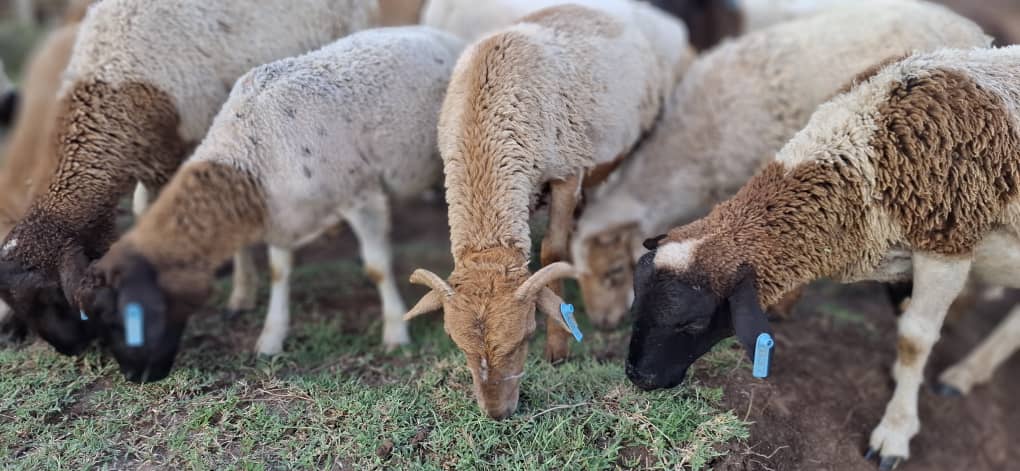
Effective traceability systems, such as livestock identification and tracking enable full visibility from production to market. When combined with strong veterinary services and disease control mechanisms, these systems significantly improve compliance with international standards.
Country examples such as Botswana demonstrated how integrated traceability, disease zoning, and regulatory systems can unlock access to premium export markets, including the European Union and the Middle East.
Strengthening Market Linkages Through Contracting
The training also highlighted the importance of structured contracting models in improving coordination across the value chain.
Well-designed contracts create clarity around:
pricing structures,
quality requirements,
delivery timelines,
and shared responsibilities.
These models reduce uncertainty, improve supply consistency, and create more predictable income streams for producers. They also play a key role in reducing overreliance on intermediaries while strengthening direct relationships between producers and markets.
The Growing Importance of Data and Market Intelligence
Another critical area discussed was the role of data in shaping competitive livestock systems.
Access to reliable market intelligence including pricing trends, demand patterns, logistics, and export requirements, enables more informed decision-making at both policy and business levels.
However, challenges remain in many markets, particularly around data availability and accessibility within informal systems. Strengthening data ecosystems will be essential for improving efficiency, targeting the right markets, and scaling operations sustainably.
Building Integrated Livestock Value Chains
The training emphasized that competitive livestock systems are built through integration, not fragmentation.
This includes coordinated efforts across:
production,
aggregation,
processing,
and market access.
Practical interventions such as the adoption of weighing systems, grading standards, aggregation centers, digital platforms, and improved market information systems were identified as key drivers of transparency and operational efficiency.
Key Challenges Across the Sector
Despite the opportunities, several structural challenges continue to affect livestock systems across the region.
These include limited access to veterinary services, weak disease control systems, low adoption of traceability, fragmented markets, and inadequate infrastructure. Climate-related risks, particularly drought, further impact productivity and increase vulnerability for producers.
Addressing these constraints requires coordinated action across both public and private sectors.
Shaping the Way Forward
The training reinforced that transforming livestock markets requires a system-wide approach.
Key priorities include:
strengthening traceability and animal health systems,
improving policy alignment and institutional coordination,
expanding access to finance and infrastructure,
and promoting structured market models that improve transparency and efficiency.
Public-private collaboration will be critical in driving these changes and ensuring long-term sustainability.
Our Perspective at WRIS Agro
At WRIS Agro, this training was not just informative, it was highly practical and directly relevant to how we are building our sourcing and supply systems.
It provided clear frameworks and real-world examples that continue to shape our approach to developing a more structured, reliable, and market-aligned livestock supply chain.
The insights gained are being actively applied in strengthening how we engage with producers, improve quality assurance, and align supply with market requirements.
Acknowledgment
We extend our sincere appreciation to the African Union – Inter-African Bureau for Animal Resources (AU-IBAR) and the Gates Foundation for organizing and supporting this highly impactful training.
Their commitment to strengthening Africa’s livestock sector through practical, system-focused interventions is instrumental in driving meaningful transformation across the value chain.
Looking Ahead
As demand for high-quality livestock products continues to grow, the future of the sector will depend on the ability to deliver consistent, traceable, and quality-assured supply at scale.
At WRIS Agro, we remain focused on building systems that make this possible, while contributing to a more transparent, efficient, and inclusive livestock market ecosystem.