Built for efficiency, lower risk & evolving market requirements
Traceability, animal welfare, and sustainable land practices are built into the WRIS Agro model — driven by commercial necessity and long-term resilience.
Sustainability driven by market logic, not just principle
For WRIS Agro, sustainability is built into the business model — not an add-on. Export markets increasingly require traceable supply chains, disease-control documentation, and responsible land management. And operationally, healthy animals and well-managed pastures reduce costs and improve consistency across the supply chain.
Our approach spans five interconnected pillars — traceability, animal health, pasture and feeding, climate efficiency, and future market readiness — each addressing a real operational or commercial priority.
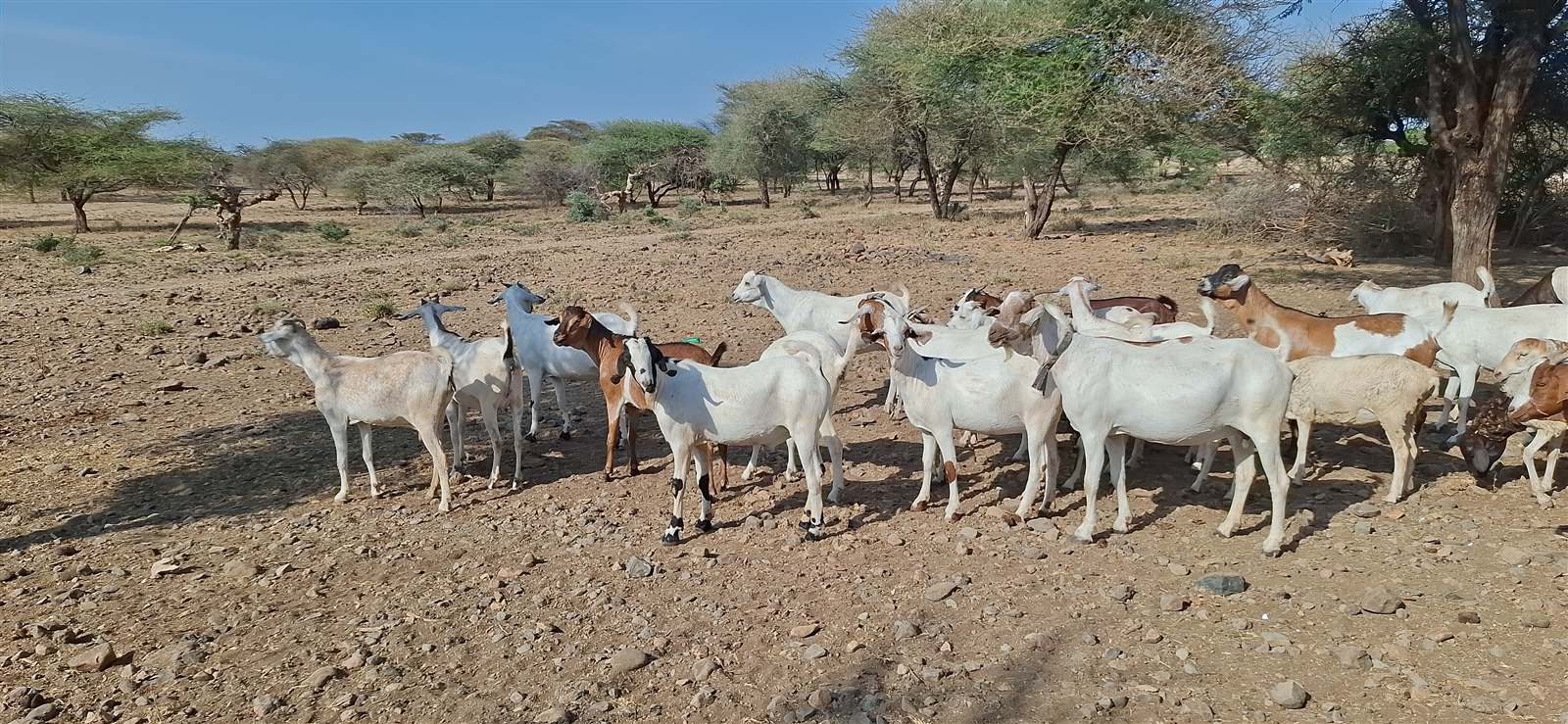
How we build sustainability into the value chain
Traceability
Structured sourcing systems improve visibility across the supply chain. By recording livestock origin, movement, and processing data, WRIS Agro is building the traceability infrastructure required for export certification and disease-control compliance.
- Source farm and region recording for all livestock purchased
- Movement tracking from farm to processing facility
- Processing batch documentation for export compliance
- Foundation for future certification and audit requirements
Why it matters: GCC and international buyers increasingly require documented supply chains. Traceability is becoming a market-access requirement, not just a best practice.
Animal Health & Productivity
Improved animal health increases weight gain rates, enhances meat quality, and reduces losses at both farm and processing level. WRIS Agro supports better veterinary access and disease management across its farmer network.
- Regular veterinary monitoring for sourced livestock
- Disease surveillance and health documentation
- Better feeding and husbandry support for farmers
- Healthier animals = higher yield per head processed
Why it matters: Animal health directly impacts supply reliability and margin. Reducing disease losses and improving weight gain reduces cost-per-kg across the chain.
Pasture & Feeding
Supporting farmers to adopt improved feeding practices and grow their own pasture builds more resilient herds, reduces the impact of seasonal dry periods, and improves overall land stewardship across the supply base.
- Farmer-led pasture cultivation programmes
- Feed supplementation guidance for dry-season resilience
- Improved carrying capacity through better land management
- Reduced dependency on uncontrolled natural grazing
Why it matters: Seasonal dry periods cause major supply disruptions. Pasture investment reduces this volatility and supports more predictable sourcing volumes.
Climate & Operational Efficiency
Efficient operations reduce environmental load per unit of output. By maximising yield per animal through by-product utilisation, reducing transport inefficiencies, and minimising processing waste, WRIS Agro improves its carbon and resource efficiency per kilogram of product supplied.
- By-product utilisation: zero-waste approach across processing
- Cold-chain efficiency to minimise spoilage and energy waste
- Route and logistics optimisation to reduce transport emissions
- Operational efficiency improvements that benefit both margin and climate footprint
Why it matters: Efficiency and sustainability are aligned — reducing waste and improving logistics cuts cost and carbon simultaneously.
Future Market Readiness
Global meat markets are evolving — with increasing requirements around animal welfare, environmental impact, supply chain transparency, and certification. WRIS Agro is building now for the standards that will define market access in five to ten years.
- Positioning for international certification requirements
- Engagement with evolving GCC and EU import standards
- Data and documentation infrastructure for future audit readiness
- Building farm-level relationships that support certification at source
Why it matters: Companies that build traceability and sustainability systems early gain durable competitive advantage as market requirements tighten.
Partner with a value chain built for the future of global meat markets
WRIS Agro is building the traceability and quality systems that premium buyers require. Get in touch to discuss how we can supply your requirements.